Board of Directors AI Literacy Program
Govern what you actually understand.
One 30-minute in-person session with the full board on the AI-Driven Enterprise model and the urgency behind it — then five async, one-hour sessions built around what a director is actually accountable for: oversight, risk, strategy, and ROI.
Book the board sessionWhy the board specifically
You can't oversee a risk you don't understand, or approve a strategy you can't evaluate.
The duty of oversight doesn't pause for new technology — if anything, it tightens. A board that nods through an AI strategy it doesn't understand, or waves off an AI risk it can't evaluate, isn't governing. This program exists to close that gap before it becomes the finding in someone else's post-mortem.
How it runs
One shared moment. Five sessions on your own time.
The board meeting session
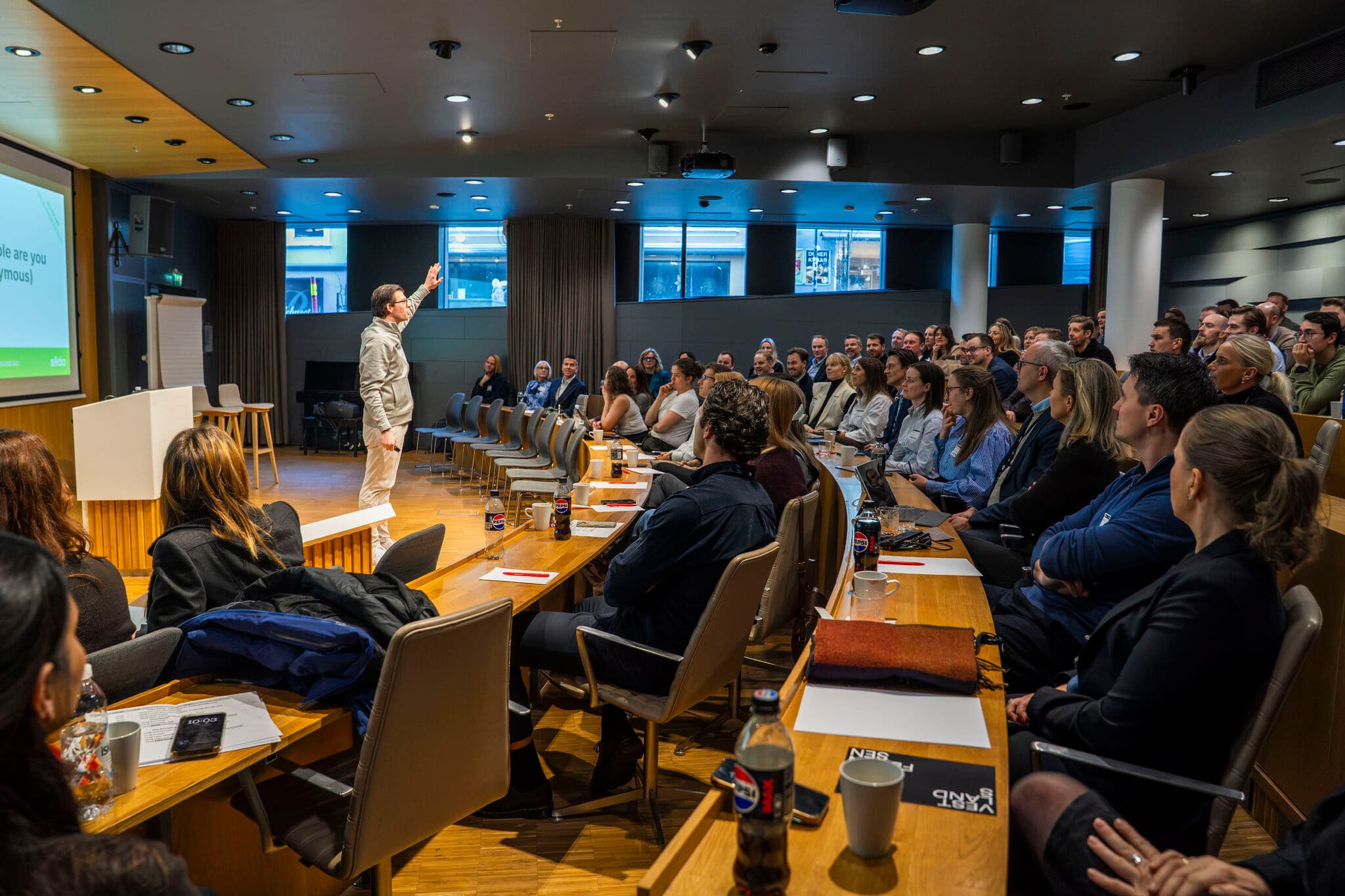
A 30-minute in-person session during a regularly scheduled board meeting, built to give the whole board the AI-Driven Enterprise model and the urgency behind it at the same time, in the same room — so every director starts from the same shared picture, not five different ones.
The five follow-on sessions
Five one-hour sessions, each mapped to a specific area of board accountability, offered asynchronously so directors work through them on their own calendars rather than coordinating a second full-board meeting five more times.
The five sessions
Mapped to what a director is actually accountable for.
Not a generic AI course adapted for the boardroom — five sessions built directly around the oversight, risk, strategy, and financial duties a board already carries.

The Language of Governance
The shared vocabulary every director needs before anything else — what these systems are, how they actually work, and what separates a real capability from vendor noise. Built so you can read a management report on AI and know which questions it's quietly avoiding.
Duty of Care in the Age of Agents
Every category of AI risk — model, data, output, and agentic — mapped onto the risk oversight framework your board already runs. What belongs on the audit committee's agenda, what belongs with risk, and the specific questions that separate real oversight from a rubber stamp.
Governing the Turn, Not Just Approving It
The difference between a board that approves an AI budget once a year and a board that actually governs the transformation — the milestones to hold management to, the early failure signals that should reach the board before they reach the press, and how to evaluate a transformation plan instead of just signing it.
The Return the Board Should Actually Ask About
What durable AI value actually looks like in the numbers versus an expensive pilot with a good story — revenue per employee, cost avoidance, and the other metrics that hold up under a director's questioning, so you can push back on a vague ROI claim with something more specific than a gut feeling.
The Director's Own Toolkit
The same tools your management team is being asked to adopt, turned toward your own work as a director — reading board materials faster, doing your own diligence on a proposal, and showing up to the next meeting having actually used the technology you're being asked to govern. Optional, and worth it.
For the organization
A literate board makes a faster, better-governed transformation.
This program often runs alongside — or ahead of — the executive ignition session that opens the full AI Transformation Program: the board-to-front-line rollout with its own Second Brain, Claude Skills, and a state-of-the-art org chart.
Frequently asked
Questions from boards and governance committees.
What does the board actually commit to?
One 30-minute session during a regularly scheduled board meeting, in person. That's the entire ask of the full board. The five follow-on sessions are offered to individual directors asynchronously, on their own schedule — there is no second all-hands meeting to coordinate.
Why in person for the first session, and async for the rest?
The first session needs the room — it is built to create shared urgency across the whole board at once, and that lands differently live than on a recording. The five follow-on sessions are deliberately asynchronous because getting a board back in the same room five more times is unrealistic. Each director works through them on their own calendar.
Are these sessions specific to board responsibilities, or generic AI training?
Specific. Every session is built around what a director is actually accountable for — oversight, risk, strategy approval, and capital allocation — not a generic corporate AI 101 aimed at employees.
Is the personal productivity session required?
No — it's the one optional session in the five, offered because most directors are individually asked to use these same tools in their own operating roles. Skip it if it doesn't apply.
Does this replace the CEO or executive-team programs?
No. It runs alongside them. Many boards commission this after — or as part of scoping — the two- to three-hour executive ignition session that opens the full AI Transformation Program.
Bring Paul to your next board meeting.
Thirty minutes, in person, with the full board. The five follow-on sessions get scoped from there.
Book the board session